 הזדהות מורה / תלמיד משרד החינוך
Whoa! I just installed a Solana wallet extension yesterday and felt a little giddy. My first impression was smooth, quick, and oddly polished for something that arrived so fast. At first glance it handled NFTs, tokens, and the usual DeFi hooks without flinching, though digging deeper revealed usability quirks and security trade-offs that made me pause. I'll walk through what worked, what annoyed me, and how to set it up safely if you want a fast Solana browser wallet that actually feels native to the chain instead of shoehorning Ethereum habits into a different world.
Seriously? If you care about NFTs or apps on Solana, the right extension matters more than you think. It saves time and avoids weird cross-chain UX that trips up newcomers. Initially I thought browser wallets were interchangeable, but then I tested transactions, wallet recovery, and hardware compatibility and found meaningful differences under the hood that influence risk and convenience. On one hand speed and low fees are killer features, though actually the finer points like how you back up the seed, approve contracts, and manage multiple accounts are what make or break your daily experience.
Hmm… Okay, so check this out—Phantom is the wallet most folks recommend. It's fast, integrates with marketplaces, and handles NFTs in a way that feels native and very very polished. But here's what bugs me about many wallet extensions: permission prompts are often confusing, sites request more authority than they need, and inexperienced users can click through approvals that put tokens at risk unless the UI is crystal clear. My instinct said the extension should be simpler, yet powerful, and so I dug into the settings, tested revocations, and even played with a hardware wallet pair before making firm recommendations.
Wow! If you want to try it yourself, there's an official browser option you can use right now. I used the extension version in Chrome and Brave during testing and the install flowed smoothly. For best results, follow common-sense checks like verifying the publisher, checking requested permissions, and keeping your seed phrase offline and secure. Remember to confirm the domain and avoid imposter sites, because phishing clones can be shockingly convincing and somethin' about the copycats always smells off.
Quick setup tips and a safe download link
If you want the official installer, use this direct page to grab the phantom wallet download extension and then follow the steps below for safe setup.
Here's the thing. Setup is straightforward but there are a few choices that change your security posture. Choose a strong passphrase, write your seed on paper, and consider a hardware wallet. If you plan to interact with NFTs frequently, enable the additional security toggles, limit connected sites, and periodically review the "trusted" list to revoke anything odd; it's tedious but worth it for peace of mind. Initially I thought auto-connect was convenient, but then I realized that manual approvals reduce accidental approvals and force you to think about each permission you grant.
Really? Recovery is the single most dangerous step if it's mishandled and often overlooked. Phantom offers a seed phrase and optional encrypted backups depending on your platform. Do not store your seed in cloud storage or on a screenshot, and do consider splitting it into multiple secure locations instead, because attackers love to harvest loose phrases. On the other hand pairing with a hardware wallet imposes extra steps and sometimes breaks convenience, though actually for serious collectors it's the difference between a headache and a major loss avoided.
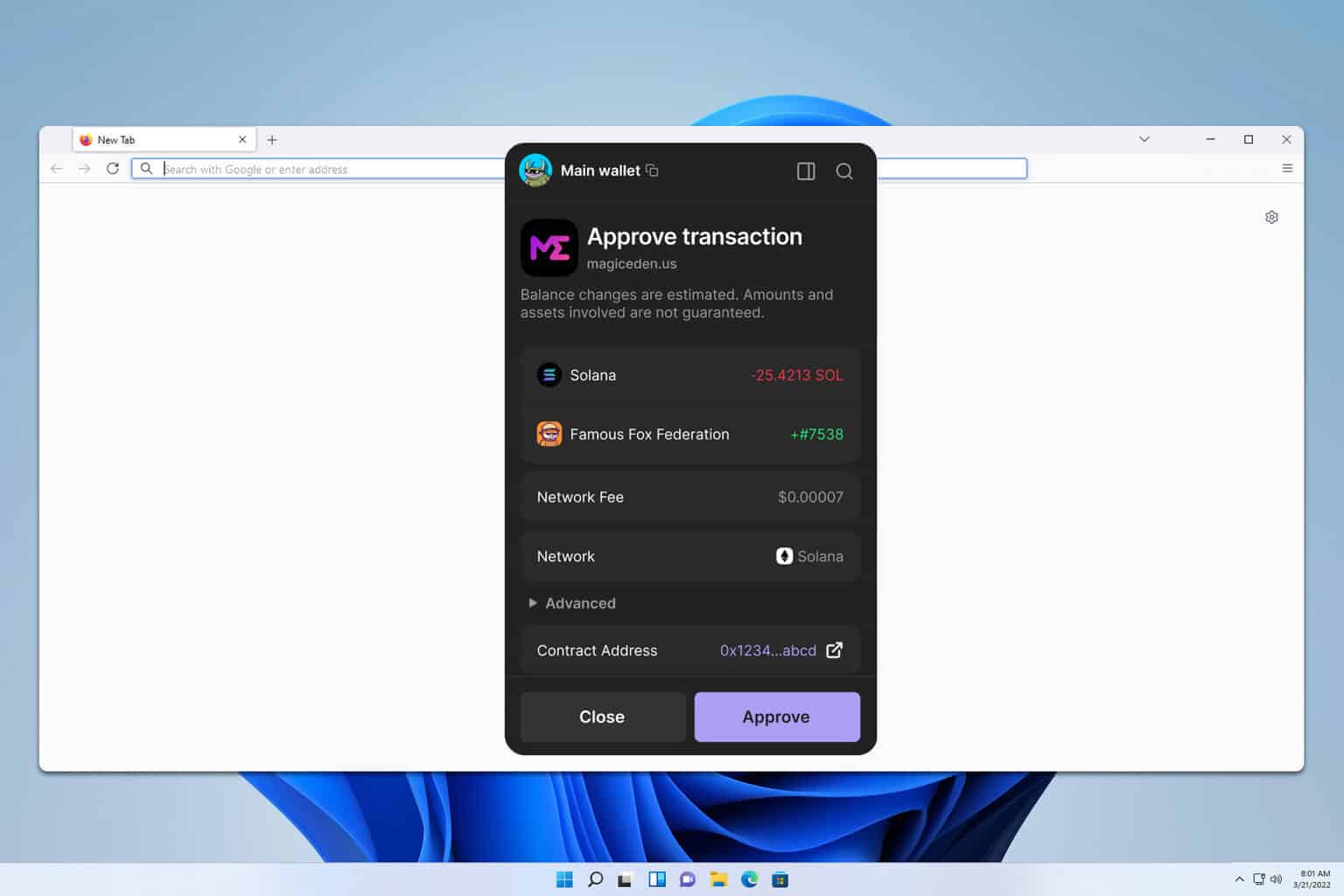
I'm biased, but Phantom's NFT support is smooth and connects directly to most Solana marketplaces. Gasless feel and lightning transactions change user expectations compared to Ethereum. A practical tip: when signing contract interactions, read the action text, check the counterparty address if visible, and if anything feels off, cancel; scams often try to hide approval details in dense language. I ran small test transactions before big buys and that step saved me from a bad approval once, so small trades as rehearsals are a low-cost safety habit.
So yeah. Solana wallets are maturing fast and extensions feel more polished each release. Developers iterate quickly so keep your extension up to date for security patches. On a more speculative note, if Solana continues to onboard creators via NFTs, wallet UX will get even more attention and small features like clearer permission language or batch-revoke tools could become differentiators. I'm not 100% sure where everything is headed, but I'm cautiously optimistic that with careful habits and the right extension you can enjoy fast, cheap web3 experiences without exposing yourself to unnecessary risk.
FAQ
Is Phantom safe to use for NFTs?
Short answer: yes for most users who follow security basics. Use strong local backups, avoid copy-paste cloud storage for seeds, and consider a hardware wallet for higher-value holdings; those precautions cut most common risks.
Can I use Phantom on multiple browsers?
Yes. You can install the extension in Chrome, Brave, and other Chromium-based browsers, but treat each install as a separate security domain and manage backups appropriately.
הוספת תגובה
עליך להיות מחובר כדי להוסיף תגובה לעמוד