 הזדהות מורה / תלמיד משרד החינוך
Whoa! First off, NFT storage used to feel like the Wild West. My gut said: don't mix cold storage with art sales. Seriously? Yeah—at first it seemed risky. But then I started testing hardware wallets with real NFTs, and my perspective shifted. Initially I thought hardware wallets should only hold tokens, but then realized NFTs are just token standards dressed up with metadata and high emotions. Actually, wait—let me rephrase that: NFTs bring new metadata, new attack surfaces, and new user expectations that hardware manufacturers must address carefully.
Here's the thing. Most people want the same promise from a hardware wallet that they want from a safe: durable, private, and simple. They also want their NFTs to display correctly, to be transferable without weird errors, and to survive firmware updates. That's a lot. I'm biased toward conservative security, but I also love the possibilities here. This part bugs me: product teams sometimes rush NFT UX without thinking through long-term security.
On one hand, adding NFT support to a hardware wallet is a natural evolution. On the other hand, NFTs carry unique risks: off-chain metadata links, lazy signature validation in companion apps, and social-engineered transaction prompts. Hmm… it's messy. So let's walk through what actually matters: how NFT handling should be implemented, how firmware updates tie into safety, and what you as a user should verify before moving your collection into cold storage.
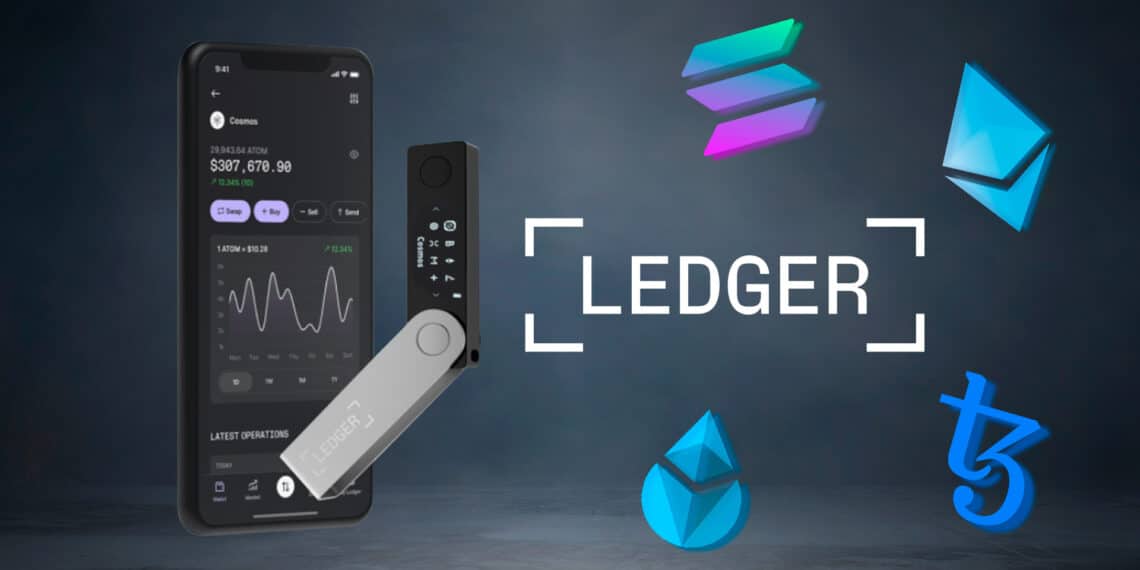
Understanding NFT support: more than just token transfers
NFTs are token contracts with pointers to data. They often rely on IPFS, centralized URLs, or on-chain storage. That means the wallet must show enough context so you know what you're signing. A hardware wallet that simply displays "Transfer token 123" is not good enough for art or provenance-conscious collectors. You want clear, human-readable info. You want the contract address, token ID, and a trustworthy way to preview metadata without exposing your private keys to an online service.
Check this out—my test of several setups revealed one recurring weakness: companion apps would fetch images and metadata from third-party servers and render them inside the app before the hardware device signed anything. That sounds convenient. But convenience is a threat vector. If the app trusts remote metadata without a way to locally verify a hash on-device, an attacker could substitute content and social-engineer approvals.
So what should be displayed on the device? Short answer: the essentials. Longer answer: the device should display contract names, token IDs, chain IDs, and, when possible, a cryptographic hash of metadata or a visual fingerprint that users can verify elsewhere. These are long thoughts, but they matter because humans make snap decisions based on a few words or images—so the device must guide those decisions intelligently.
Firmware updates: the small step that can break or make security
Firmware updates are often overlooked. Yet they are the single biggest operational risk a hardware wallet faces post-sale. Why? Because updates change the device's behavior. If your wallet accepts upgrades automatically, then a supply-chain attack or a malicious firmware push could be catastrophic. If updates are too friction-heavy, users won't install critical patches. It's a delicate balance.
My instinct said: require manual verification on the device. Then I tested a few workflows and realized user behavior matters—many people ignore prompts. So actually, what you want is secure, user-verified updates that are as painless as possible. For example: signed firmware images, reproducible build hashes, and an optional "air-gapped" verification step for power users. Ledger's approach with device verification via their companion software is an example of a model some people trust; others prefer fully offline verification.
Look, I'm not 100% sure which is objectively best for every user. But here's a practical checklist: ensure firmware is cryptographically signed, verify signatures on-device when possible, keep update channels auditable, and prefer devices that allow offline verification or recovery without exposing your seed to a laptop that might be compromised. Those options exist—dig in.
UX vs. security: where trade-offs show up
Okay, so user experience matters. If NFT support requires ten confirmations and a dorm-lab-style checklist, collectors will bypass it. If wallets prioritize UX at the expense of showing key details on the device, collectors may sign away provenance. On one hand, you want to make things accessible. On the other hand, you must reduce cognitive load while still protecting users.
Practical examples: some wallet apps show friendly names for contracts by querying a centralized registry. That's cute and clean. But if the app and the device disagree, who do you trust? The hardware display must be the source of truth. It must show the raw contract address and offer a concise alias only if the mapping is verifiable. Also, for NFTs with complex royalty and marketplace logic, the wallet should explain, in plain terms, what rights are being transferred and whether any marketplace hooks are involved.
Here's a test I run: try to sign an NFT transfer with the Wi‑Fi and Bluetooth off. If you can do it, great. If not, ask why. Devices that force online companions for every action increase attack surface. That's not to say online features are bad—they're convenient. But convenience should be optional, not mandatory for basic safety functions.
What to look for when choosing a hardware wallet for NFTs
Short checklist. Read it. Seriously?
- On-device display of contract address and token ID — no exceptions.
- Support for cryptographic metadata verification (hash display or proof callers).
- Signed firmware with on-device signature checks and developer transparency.
- Recovery flow that won't require typing your seed into an internet-connected device.
- Community vetting: open-source components or audited binaries.
- Compatibility with reputable companion apps and marketplaces that respect on-device verification.
When I was setting up my own collection, I manually verified contract addresses for each expensive piece. Tedious? Very. Worth it? Absolutely. I'm biased toward caution—I'd rather spend an hour verifying than lose an item forever. And yes, some smart contracts have trickery: proxy patterns, custom transfer hooks, marketplace royalties. Those change how you interpret a signing request.
Attacks to watch for, and how to mitigate them
On-chain risks are one thing; off-chain vectors are another. Here's a compact set of threats and mitigations.
- Metadata substitution: verify hashes on-device or use IPFS content hashes.
- Phishing signatures: never approve transactions without the device showing the full contract address and intent.
- Malicious companion apps: prefer open-source or well-audited apps; consider using an air-gapped workflow.
- Firmware supply-chain attacks: only install signed firmware and confirm signatures on the device.
- Recovery exposure: avoid entering your seed into mobile or desktop apps; use official recovery flows.
Something felt off when I first saw a marketplace that asked for "approval for all tokens" without clarifying scope. That's a red flag. If a dApp asks for blanket approvals, think twice—deny until you can scope approval to a token ID or set an allowance with time bounds. Some smart-contract wallets offer granular approvals; use them. Also, watch gasless approvals and meta-transactions—cool features, but they add complexity and potential hidden costs.
Firmware updates and NFT compatibility: how they intersect
New token standards emerge. If your hardware wallet's firmware can't parse those standards, the companion app might try to emulate logic and trick you into signing bad things. So, vendors must update firmware to support new ERC variants or equivalent chain changes. But pushing that update must remain secure. That means reproducible builds, public changelogs, and clear migration paths. If a firmware update changes how NFT transfers are displayed, that needs to be extremely transparent.
One concrete recommendation: prefer vendors that document how new token support is implemented. If a firmware update adds a new metadata rendering feature, check the changelog and verify images or hashes locally. It's tedious, yes, but necessary until standards stabilize more. And somethin' tells me standards will continue to mutate—so expect more updates rather than fewer.
How I personally manage NFT security (practical routine)
I'll be honest: I split my collection. High-value, collectible pieces go on a fully air-gapped cold device. Less valuable or frequently-traded pieces stay in a semi-custodial setup with multi-signature backups. That gives me flexibility. I use a hardware wallet that forces me to confirm full contract data on-device before signing. For companion software, I prefer one with a clear audit trail and minimal remote privileges. And yeah, I keep at least one redundant seed backup in a fireproof place.
Oh, and by the way… I also recommend testing your recovery process. Rebuild a device from seed in a sandbox environment before you need it. It sounds like overkill. But if you ever need the seed, you'll be very very glad you practiced.
Frequently asked questions
Can hardware wallets store NFTs safely?
Yes. They can store the keys that control NFTs securely. But the ecosystem around NFTs—metadata, companion apps, marketplaces—introduces extra risks. Use devices that display contract and token details on-screen, verify firmware signatures, and prefer workflows that allow offline or air-gapped verification.
How should I handle firmware updates?
Only install firmware signed by the vendor and verify signatures on-device when possible. Read changelogs for NFT-related changes. If you're highly risk-averse, prefer devices that support offline verification or reproducible builds. Practice good operational hygiene: back up seeds, and keep recovery methods secure.
Is one hardware wallet better for NFTs?
No single device is perfect. Evaluate based on on-device display fidelity, update model, transparency of the vendor, community audits, and compatibility with the marketplaces you use. For a concrete reference to a commonly used companion app and update model, consider checking official vendor resources like ledger for more details.
Alright—this isn't neat or simple. But the bottom line: NFTs can and should be stored with hardware wallets. Do it carefully. Expect more firmware updates. Verify everything you can on-device. Practice recovery. And keep your skepticism handy—your instinct is often right when something doesn't look kosher.
הוספת תגובה
עליך להיות מחובר כדי להוסיף תגובה לעמוד